




Nylon Tea Bags - Safety and Environmental Impact
Wikipedia: NylonLast Updated: Dec. 20, 2013
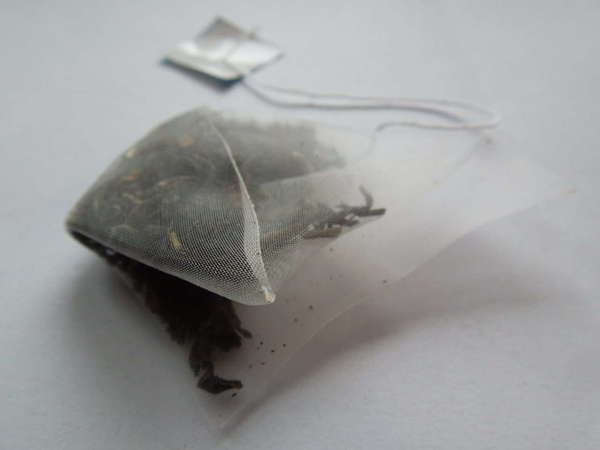 Nylon is typically used in pyramid sachets, higher-quality tea bags that give tea leaves room to expand.
What is nylon?
Nylon is a generic designation for a broad category of synthetic polymer fibers, used to make synthetic fabrics. Nylon itself is a broad category; there are many different types of fabrics bearing the name "nylon".Are nylon tea bags safe?
This is an open question and its answer is unknown. As with any synthetic material, there is some concern as to the safety of nylon tea bags when they are used in tea bags, mainly due to the fact that they are exposed to near-boiling water. Some synthetic materials and plastics are not safe when heated, as they can release various toxic chemicals.Nylon as a fabric generally has a high heat-resistance, far higher than the temperatures it is subjected to when steeped in hot water. However, there has been no published testing as to the safety of nylon tea bags, so it is impossible to say definitively that nylon tea bags are safe.
The Atlantic explores some of these questions, speculatively but scientifically, in their article Are Tea Bags Turning Us Into Plastic, which interviews a polymer expert to explain the theoretical risks. Tested also published a speculative piece Plastic Tea Bags May Pose Health Risks Simliar to Plastic Bottles, and concluded that "it makes sense to limit exposure" to these tea bags.
Nylon tea bags and environmental sustainability
Nylon tea bags are not the most sustainable choice as most nylon is practically non-biodegradable and cannot be composted. However, the long-term degradation time for nylon is shorter than many other forms of plastic, on the order of 30-40 years. Nylon tends to persist in the environment for a fairly long time, but not indefinitely.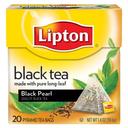
There are a few special forms of nylon that are biodegradable, but these forms are usually labeled as biodegradable nylon. When you do not have information establishing otherwise, it is safest to assume that most nylon is of the non-biodegradable form. Because there is no clear legal definition of biodegradability, some companies may label nylon as biodegradable even if it is not biodegradable under all circumstances, and even if it is not backyard compostable. For this reason, if you wish to compost nylon, check with a certifying agency like BPI and avoid non-certified products.
There are additional environmental concerns with nylon beyond that of its breaking down. The production of nylon has some negative impacts on the environment. Most nylon nowadays is produced by a process that generates significant amounts of nitrous oxide, which functions as a greenhouse gas and also depletes ozone.[2]
Other plastics and synthetic fibers used in tea bags
Polyethylene terephthalate, abbreviated PET, may also be used in tea bags. PET is widely used in food packaging. PET has been implicated in the leaching of phthalates which can disrupt the endocrine system.[3] These concerns have been raised primarily for water bottles and packaging; as with nylon, the topic of PET tea bags has not been researched and only speculative works have been written on the topic. . Another nylon tea bag. Public domain photo by Shaddack.
More sustainable alternatives to nylon tea bags
Loose-leaf tea is the best option in terms of sustainability, as it minimizes packaging. The best option is loose tea packaged in biodegradable materials or reusable containers like metal tins. Loose tea also offers the advantages of superior flavor and better price, as you are paying primarily for the tea itself rather than packaging.If you are going to purchase tea bags or sachets, it is best to buy tea bags made of paper, silk, or cotton, as they are fully biodegradable. Paper tends to be most common, and silk is rarely used any more as it tends to be more expensive. Be careful, as some companies use non-biodegradable sealants like plastics on paper tea bags.
References:
1. Nylon teabags set to let the flavour flood out, The Telegraph, Nov. 7, 2007.
2. How "Green" is Your Gear? The Environmental Impact of Nylon, The Trail Companion, Spring 2000.
3. Leonard Sax, Polyethylene Terephthalate May Yield Endocrine Disruptors, Environmental Health Perspectives, Vol. 118, No. 4, pp. 445-448, Apr. 2010.


