




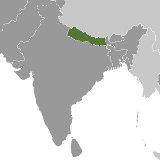



Nepal
Wikipedia: Nepal | Official Government Website: www.nepalgov.gov.npUpdated: Dec. 31, 2014
About Nepal
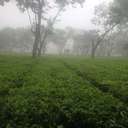
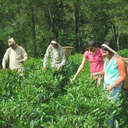
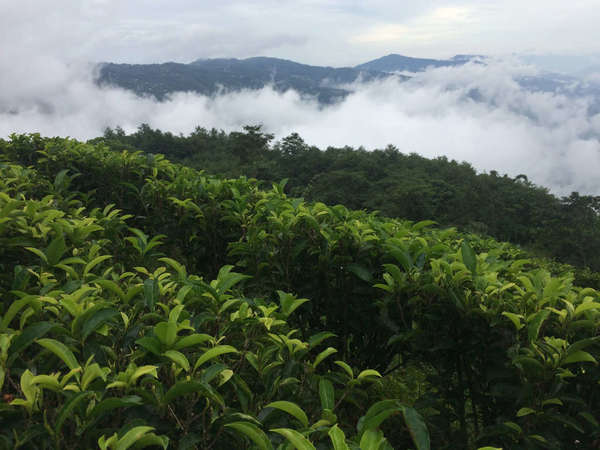 Tea Growing at Jun Chiyabari Estate, Nepal, Photo © William Dietz, Copyright, All Rights Reserved
The country is affected by the seasonal monsoon pattern affecting south and southeast Asia, and receives most of its precipitation in the warmest months. The climate zones in Nepal mostly run east-west, corresponding to altitude changes. There are thus climates suitable for growing tea across the entire east-west length of the country.
Although much of the country is suitable for growing tea, for historical reasons, most of the tea grown in Nepal is grown in the eastern regions of Dhankuta, Illam, Jhapa, Therathum, and Panchthar.[2] Nepal contains one of the highest tea estates in the world, Meghma estate, located at an elevation of 7000 feet [3], although an old source claimed that India has an estate near Ooty (Ootacamund, in Nilgiri) at an elevation of 8000 feet.[4]
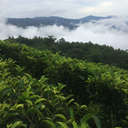
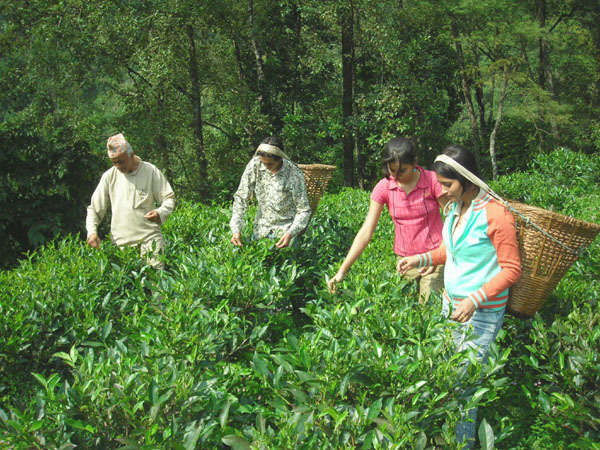 Photo by Ganesh Paudel (Nepal Wikipedia), © Ganesh Paudel (Nepal Wikipedia), CC BY-SA 3.0.
Like India, Nepal produces mostly black tea, but in recent years, more oolong and green teas have started to be produced by some Nepalese tea estates.
References:
1. FAOSTAT: Production: Crops, Food and Agriculture Organization of the United Nations, Retrieved Jan. 29, 2010.
2. Nepali Tea, Nepal Vista, Retrieved Jan. 2, 2010.
3. Honeybee, The Simple Leaf Tea, Retrieved Feb. 11, 2010, archive.org.
4. Highest grown tea in the world, The Age, Jun. 8, 1965.
Styles of Tea Produced in Nepal
This is a selection, not an exhaustive listing, of the styles of tea most commonly produced in Nepal.


Best Nepalese Teas
The notion of the "best" Nepalese teas is subjective, because different people have different tastes. We present the most often-rated and highest-rated teas produced in Nepal, and allow you to draw your own conclusions.
Most Often-Rated Teas
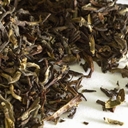
TM40: Singalila Estate SFTGFOP1
| Brand: | Upton Tea Imports |
| Style: | Black Tea |
| Caffeine: | Caffeinated |
| Leaf: | Loose |
2 Ratings
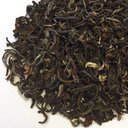
Nepal Guranse Estate Organic Oolong Tea
| Brand: | Simpson & Vail |
| Style: | Oolong Tea |
| Caffeine: | Caffeinated |
| Leaf: | Loose |
2 Ratings
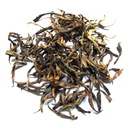
Nepal 2nd Flush 2014 Golden Tips Black Tea
| Brand: | What-Cha |
| Style: | Black Tea |
| Caffeine: | Caffeinated |
| Leaf: | Loose |
2 Ratings
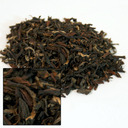
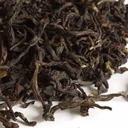
Kuwapani Estate Makalu Tippy Spl
| Brand: | Upton Tea Imports |
| Style: | Black Tea |
| Caffeine: | Caffeinated |
| Leaf: | Loose |
1 Rating


