




White Tea
Wikipedia: White_tea | Teaviews: white-teaLast Updated: Mar. 16, 2015
↑About White Tea
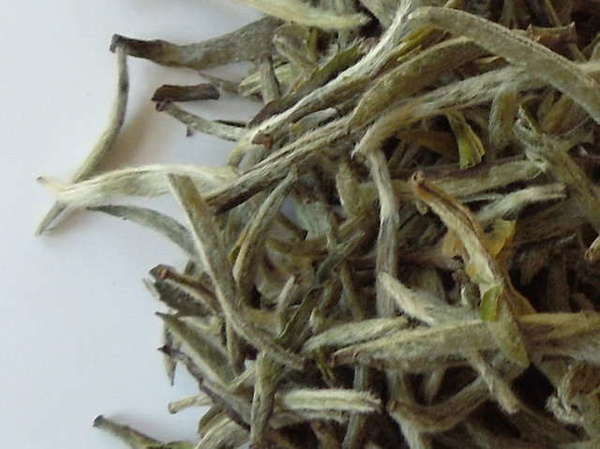 Silver needle or bai hao yinzhen is a white tea consisting exclusively of tips or leaf buds.
Although this means that white tea is less processed than green tea, the lack of heating allows some oxidation to occur, creating a slightly darker color than most green teas, and less of the vibrant green color.
Different definitions of white tea
There is no universally accepted definition of white tea; the classification of teas as either white or green can be subjective, especially for intermediate types of tea such as snow buds (xue ya). Sometimes, white teas are classified as a sub-type of green tea, since most white teas are mostly unoxidized, but we believe that classifying them in different categories is more accurate because their production process is distinct, and because they are often more oxidized than typical green tea.Some organizations, including some tea companies, and the Tea Association of the U.S.[1], define white tea so as to only include teas including leaf tips or buds, which excludes most of the darkest-colored white teas; we do not use this definition since these teas are still minimally processed like other white teas.
Flavor and aroma
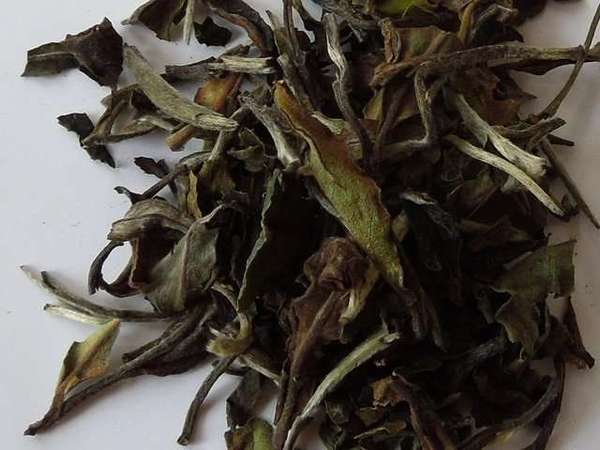 Some white teas, like this large-leaf tea from India, have a darker color, reflecting more oxidation of the leaf.
Lighter white teas have aromatic notes, like melon, that are uncommon in other types of teas. White teas often lack the grassy characteristics of green teas, and they lack both the toasty character of pan-fired or baked green teas, as well as the vegetal characteristics of steamed teas. Darker white teas often have aromas resembling autumn leaves.
The flavor and aromas of white teas are particularly diverse if you look at types outside the historical centers of production in Fujian province.
Origins and production
White tea originated in China, and most of the world's white tea is produced there, a large portion of it in Fujian province, particularly, in the northern parts, including Fuding and Zhenghe. However, in recent years, due to the surging popularity of white tea, white teas have become available from numreous other regions, including India, Sri Lanka (Ceylon), Kenya, and Malawi.Some of these teas emulate traditional Chinese styles, especially silver needle, and sometimes white peony. Others, however, are novel, fitting into the broader traditions and production methods of white tea but taking on a character of their own.
Caffeine content of white tea: myths and reality
Many websites claim that white tea contains less caffeine than black or green teas. This is a widespread myth; the caffeine content of white teas, like other teas, varies greatly from one tea to the next. White teas with a large portion of buds, such as silver needle, tend to have more caffeine than those with a larger portion of mature leaves, as the young tips are highest in caffeine. As white teas, particularly those made exclusively of tips, are very mild in flavor, they can also be brewed very strongly, resulting in a very high caffeine content of the brewed cup.References:
1. About Tea: Glossary of Terms, Tea Association of the United States of America, Retrieved Sep. 26, 2011.
↑Recent White Tea Reviews — RSS 


Pai Mu Tan (Nr. 203) from Carstensens Tehandel
Style: White Peony Tea – Region: Fujian, ChinaAug. 31st, 2021
One-litre pot at home, made from broad green-brown leaves and top shoots of Pai Mu Tan tea. Pours clear straw (against white china) with no sediment. Clear aroma of white tea leaves, with malty touches. Delicate, leafy flavour with hints of flowers and malty touches. Leafy aftertaste. A very nice, delicate and unpreten...
Read Full Review
Fuding White Tea Cake from Upton Tea Imports
Style: White Peony Tea – Region: Fuding, Fujian, ChinaApr. 4th, 2021
This tea is amazing! It has a mild chocolatey/cocoa butter flavor which is really nice. The tea is so smooth and buttery and not astringent or bitter at all!
Read Full Review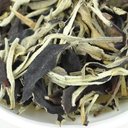
Yunnan Yue Guang Bai Air-Dried White Tea from Yunnan Sourcing
Style: Moonlight White – Region: Jinggu, Yunnan, ChinaMar. 10th, 2021
This tea is great! It tastes vegetabally in a good way and it has a nice fragrant aroma. It is not bitter or astringent at all. It is also a great price for how high quality and delicious it is!
Read Full Review
Yunnan Yue Guang Bai Air-Dried White Tea from Yunnan Sourcing
Style: Moonlight White – Region: Jinggu, Yunnan, ChinaMar. 8th, 2021
This is only the second Moonlight White tea I've ever tried; the first was from Life in Teacup. I've had this tea for nearly two years from its harvest date, but am only reviewing it now, so I've seen how it ages slightly. It seemed to change character much more quickly than a pu-erh.
The leaf is striking and unique...
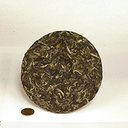
The first thing I notice about this tea is the very comforting aroma it has. It smells and tastes sort of like freshly baked bread. It is a very smooth and easy to drink tea while still being very flavorful and interesting. It's thick bodied and it is not astringent at all which I really like.
Read Full ReviewRead More Reviews of White Tea (163) ...
↑Top Reviewers
| Rank | User | # | % |
| 1 |  Alex Zorach Alex Zorach | 60 | 20 |
| 2 |  Amanda Amanda | 11 | 4 |
| 3 |  Sylvia Sylvia | 8 | 3 |
| 4 |  Brytta Sóþword Brytta Sóþword | 7 | 2 |
| 5 |  Kelsey Kelsey | 5 | 2 |
Review 6 teas to get on this list!
Advertisement
↑Most-Rated White Tea
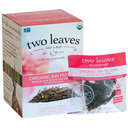
White Peony (Bai Mu Dan)
| Brand: | Two Leaves and a Bud |
| Style: | White Peony Tea |
| Region: | Fujian, China |
| Caffeine: | Caffeinated |
| Leaf: | Sachet |
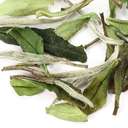
White Peony (Pai Mu Tan)
| Brand: | Adagio Teas |
| Style: | White Peony Tea |
| Region: | Fujian, China |
| Caffeine: | Caffeinated |
| Leaf: | Loose |
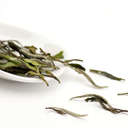
Organic White Peony (Bai MuDan) Tea
| Brand: | TeaVivre |
| Style: | White Peony Tea |
| Region: | Fuding, Fujian, China |
| Caffeine: | Caffeinated |
| Leaf: | Loose |
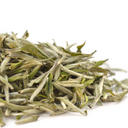
Organic Silver Needle White Tea (Bai Hao Yin Zhen)
| Brand: | TeaVivre |
| Style: | Silver Needle |
| Region: | Fujian, China |
| Caffeine: | Caffeinated |
| Leaf: | Loose |
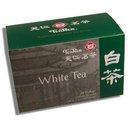
White Tea
| Brand: | Ten Ren Tea |
| Style: | White Tea |
| Region: | Fujian, China |
| Caffeine: | Caffeinated |
| Leaf: | Teabag |
↑Top-Rated White Tea
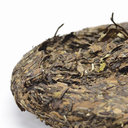
Fuding Shou Mei White Tea Cake 2013
| Brand: | TeaVivre |
| Style: | Shou Mei White Tea |
| Region: | Fuding, Fujian, China |
| Caffeine: | Caffeinated |
| Leaf: | Compressed |
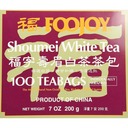
Shoumei White Tea
| Brand: | Foojoy |
| Style: | Shou Mei White Tea |
| Region: | China |
| Caffeine: | Caffeinated |
| Leaf: | Teabag |
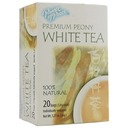
Premium Peony White Tea (100% Organic)
| Brand: | Prince of Peace |
| Style: | White Peony Tea |
| Region: | Fujian, China |
| Caffeine: | Caffeinated |
| Leaf: | Loose |
Organic White Peony (Bai MuDan) Tea
| Brand: | TeaVivre |
| Style: | White Peony Tea |
| Region: | Fuding, Fujian, China |
| Caffeine: | Caffeinated |
| Leaf: | Loose |
White Peony (Pai Mu Tan)
| Brand: | Adagio Teas |
| Style: | White Peony Tea |
| Region: | Fujian, China |
| Caffeine: | Caffeinated |
| Leaf: | Loose |


