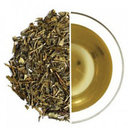

Bancha
Wikipedia: BanchaLast Updated: Jul. 19, 2017
↑About Bancha
Bancha(番茶), sometimes improperly called bancha tea, is a common type of Japanese green tea. It is often considered the "basic" or "default" green tea in Japan, although in the West, sencha is more widely available.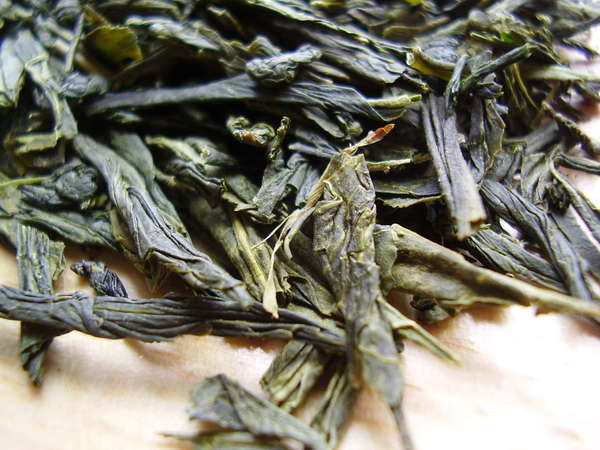
Bancha is produced similarly to sencha, but is harvested later in the season. It tends to be made of larger, more mature leaves; it often contains stem or twigs, although it is not made predominately from twigs like kukicha or twig tea. For these reasons bancha is sometimes described as a coarse tea, and tends to have a lower caffeine content.
Like most Japanese green teas, bancha is steamed rather than pan-fired as most Chinese green teas are. Bancha is a lower grade of tea than sencha, and tends to be less expensive. However, it is hard to generalize about the quality or price of bancha; some bancha exceeds some sencha in both price and quality.
Bancha is sold plain, and is also frequently roasted to produce hojicha, and is also often combined with toasted brown rice to make genmaicha. Although bancha is ubiquitous in Japan, it is not as well-known in the west, possibly owing to the commercial focus on varieties of tea that are perceived as higher-quality.
References:
1. Shizuo Tsuji, M.F.K. Fisher, Japanese Cooking: A Simple Art, Kodansha International, 2007.
↑Recent Bancha Reviews — RSS 


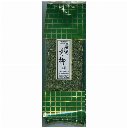
The 200g package is heavy, sealed plastic. It's not resealable, so have another airtight container to put it into after opening.
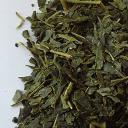
The dry tea is bright green and broken into medium-small pieces. The initial aroma is strong and grassy.
The directions say to use 3g of tea per 100ml, boiling water, and to steep for 3...

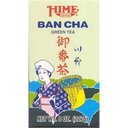
This came recommended by RT leader Alex as a good budget bancha. And the price was very reasonable, about as little as anyone could expect to pay for a decent tea. It has a pleasant, earthy aroma, but the flavor is a little insipid. I wasn't expecting perfection tho - this is a reliable everyday green tea.
Read Full Review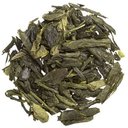
I have purchased this a number of times, and the quality varies from year to year. This 2018 batch is not the best, but it is still a pleasant green tea, with a light vegetal flavor. The price has steadily increased over the years.
Read Full Review
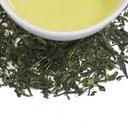
This may be the best bancha I've ever tried. It's better than a number of lower-end sencha's I've bought in the U.S.
The dry leaf is green for bancha and has the most delightful aroma, the best yet of any bancha I've tried. It smells a lot like coffee cake, a sort of sweet, baked good smell with hints of cinnamon,...

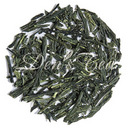
This is truly an "upgraded" Bancha, picked just after first flush from the larger, thicker base of the leaves. More astringent than sencha, but well balanced in flavor and aroma. I love the grassy flavor and feel it leaves in your mouth.
Den's Bancha Suruga is wonderfully refreshing when brewed as per their instruct...
Read More Reviews of Bancha (13) ...
↑Top Reviewers
| Rank | User | # | % |
| 1 |  Alex Zorach Alex Zorach | 6 | 30 |
| 2 |  Trailesque Trailesque | 2 | 10 |
| 3 |  E. Alex Gerster E. Alex Gerster | 2 | 10 |
| 4 |  synth synth | 1 | 5 |
| 5 |  Difflugia Difflugia | 1 | 5 |
Review 2 teas to get on this list!
Advertisement
↑Most-Rated Bancha
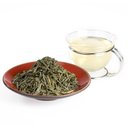
Japan Bancha Organic
| Brand: | TeaGschwendner |
| Style: | Bancha |
| Region: | Japan |
| Caffeine: | Caffeinated |
| Leaf: | Loose |