




Pure Tea (Camellia sinensis)
Wikipedia: TeaLast Updated: Aug. 8, 2017
↑About Pure Tea (Camellia sinensis)
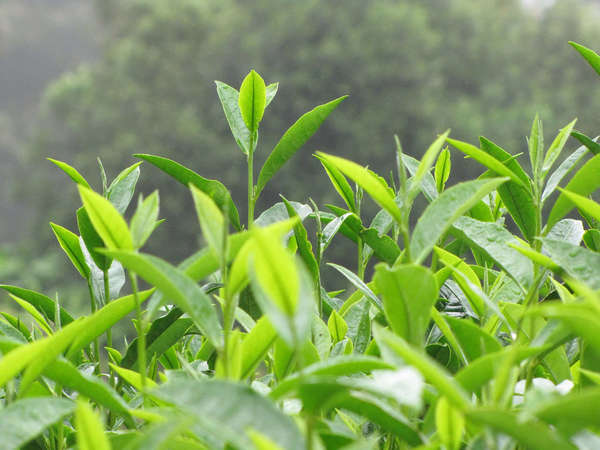 Tea Leaves and Shoots, Hawaii, © Forest and Kim Starr, CC BY 2.0.
What is tea?
Tea (Chinese 茶) is a beverage made from the tea plant, Camellia sinensis. The words for tea in many languages come from the root cha or chai. RateTea classifies teas in this category that are made exclusively from the tea plant; such teas are often called pure teas, unflavored teas, or, less commonly, straight teas, in contrast to flavored teas, which contain tea together with other ingredients.Tea is usually classified based on how it is processed, which loosely corresponds to its level of oxidation--a process that darkens the tea and changes the color. Fully oxidized tea is called black tea, and unoxidized tea is called green tea (white tea is also mostly unoxidized). Oolong tea is a partially-oxidized tea that is often also roasted. Another class of tea, Pu-erh, is usually considered as a category of its own. Oxidation is sometimes called "fermentation", and black tea is described as "fermented", but this is misleading as there is no proper fermentation process happening as with vinegar or alcoholic drinks.
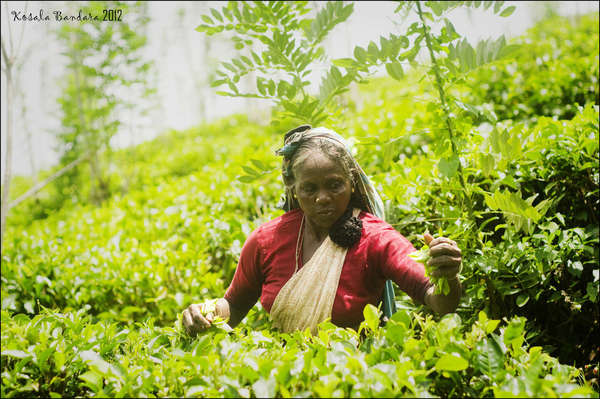 Most tea is made out of young leaves and buds, like this woman in Ratnapura, Sri Lanka is picking. Photo © Kosala Bandara, CC BY 2.0.
When the word "tea" is used by itself it usually refers to the tea plant. However, the word "tea" is also used together with other terms to describe other drinks made from steeping other plants in water. Teas that do not come from the Camellia sinsensis plant are usually referred to as "herbal teas", "herb teas", or "tisanes".
Traditionally, in most parts of the world, nearly all tea consumed and produced was black tea. Outside of Southeast Asia, the term tea is often assumed to mean black tea. However, the tea industry is changing rapidly, and green, white, and oolong teas are becoming more popular both among tea drinkers in black-tea-loving countries, and tea growers in areas that historically only produced black tea are also beginning to produce more of these other styles of tea.
↑Recent Pure Tea Reviews — RSS 


The aroma is very pleasant, a nice black tea with a hint of fruit (peaches). The liquor (5 min steep) is a medium brown with a bit of red. The flavor is excellent, a good strong taste, with a slight tangy after taste I would say perfect start for your morning. This tea would easily accommodate sugar or cream.
Read Full ReviewNice mild Assam aroma, with a hint of spicy. The liquor (5 min steep) is brown/red. The flavor is a bit tart, with a smoky after taste. This tea would be fine with some cream or sugar. Overall an enjoyable tea.
Read Full Review
Yi Mei Ren Wu Liang Mountain Yunnan Black Tea from Yunnan Sourcing
Style: Black Tea – Region: Jingdong, Yunnan, ChinaMar. 19th, 2024
Very appealing Yunnan earthiness with some spicy undertones. The liquor (5 min steep) is a red/orange brown. The flavor is smooth, with a spice/sweet after taste. I will purchase this tea again.
Read Full Review
Imperial Pure Bud Yunnan Black Tea of Simao from Yunnan Sourcing
Style: Yunnan Gold – Region: Simao, Yunnan, ChinaMar. 3rd, 2024
Good Yunnan aroma, nice earthiness/wood. The liquor (5min steep) is a wonderful honey. Taste is a solid Yunnan, with a slight sweetness (peach?) after taste. The leaves are black and tan. I would enjoy this tea anytime during the day.
Read Full ReviewImperial Gold Needle Yunnan Black Tea from Yunnan Sourcing
Style: Yunnan Gold – Region: Yunnan, ChinaMar. 2nd, 2024
The aroma is a mild earthiness with a hint of classic Yunnan. The liquor (5min steep) is a nice amber. Mild flavor with no out standing notes. Enjoyable, but it would not be my first choice from this company.
Read Full ReviewRead More Reviews of Pure Tea (3247) ...
↑Top Reviewers
| Rank | User | # | % |
| 1 |  Alex Zorach Alex Zorach | 949 | 24 |
| 2 |  Amanda Amanda | 182 | 5 |
| 3 |  JGS1122 JGS1122 | 120 | 3 |
| 4 |  Sylvia Sylvia | 116 | 3 |
| 5 |  Tchuggin' Okie Tchuggin' Okie | 105 | 3 |
Review 106 teas to get on this list!
Advertisement
↑Most-Rated Pure Tea
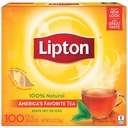
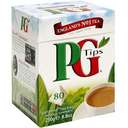
PG Tips Pyramid bags
| Brand: | PG Tips |
| Style: | Black Tea |
| Region: | Blend |
| Caffeine: | Caffeinated |
| Leaf: | Teabag |
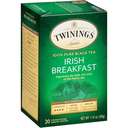
Irish Breakfast
| Brand: | Twinings |
| Style: | Irish Breakfast |
| Region: | ????? |
| Caffeine: | Caffeinated |
| Leaf: | Teabag |
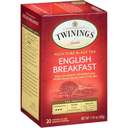
English Breakfast
| Brand: | Twinings |
| Style: | English Breakfast |
| Region: | ????? |
| Caffeine: | Caffeinated |
| Leaf: | Teabag |
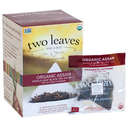
Assam
| Brand: | Two Leaves and a Bud |
| Style: | Assam |
| Region: | Assam, India |
| Caffeine: | Caffeinated |
| Leaf: | Sachet |
↑Top-Rated Pure Tea
Bao Zhong Oolong Tea
| Brand: | Rishi Tea |
| Style: | Pouchong Tea |
| Region: | Taiwan / Formosa |
| Caffeine: | Caffeinated |
| Leaf: | Loose |
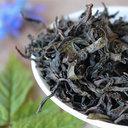
Wuyi Mountain Big Red Robe
| Brand: | Verdant Tea |
| Style: | Da Hong Pao |
| Region: | Wuyi, Fujian, China |
| Caffeine: | Caffeinated |
| Leaf: | Loose |
Honey Black Tea
| Brand: | Health & Tea |
| Style: | Black Tea |
| Region: | Taiwan / Formosa |
| Caffeine: | Caffeinated |
| Leaf: | Loose |
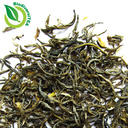
Wild Snow Sprout Tea
| Brand: | Wild Tea Qi |
| Style: | Green Tea |
| Region: | Yunnan, China |
| Caffeine: | Caffeinated |
| Leaf: | Loose |
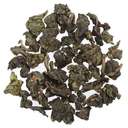
Formosa Amber Oolong Select
| Brand: | Upton Tea Imports |
| Style: | Amber Oolong |
| Region: | Taiwan / Formosa |
| Caffeine: | Caffeinated |
| Leaf: | Loose |


