




Anji Bai Cha
Last Updated: Aug. 11, 2017
↑About Anji Bai Cha
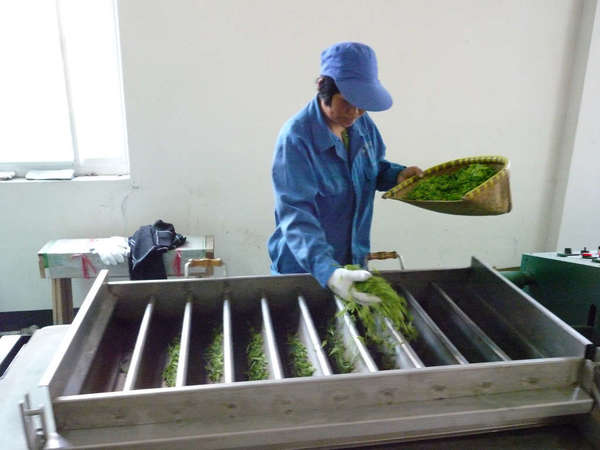 Anji bai cha processing. Photo © camellia-sinensis.com, used with permiission.
Because of its Chinese name, Anji bai cha is sometimes called a "white tea", but, classified by its production process, it is a green tea, not a white tea. The term white refers to the whitish color of the leaves, and the pale color of the brewed tea.
Like gyokuro, this tea is best brewed with a lower temperature of water even relative to other green teas. Also like gyokuro, this tea has a high amino acid content giving it a bit of an "umami" flavor. In contrast to the shade-grown and chlorophyll-rich gyokuro, this tea has less chlorophyll in the leaves relative to other green teas, giving it a lighter appearance. Anji bai cha and gyokuro are two teas highest in L-theanine, an essential amino acid that has been implicated in relaxation and improved concentration; one source reported that both of these teas contain about 2% theanine by dry weight.[4]
References:
1. Anji Bai Cha White Tea, Journal of Chinese Medicine Tea Shop, Retrieved Oct. 15, 2009.
2. Anji Baicha Green Tea, Harney & Sons Website, Retrieved Oct. 15, 2009.
3. Lew Perin, Anji Baicha - Babelcarp, Retrieved Nov. 8, 2010.
4. Chi-Tang Ho, Jen-Kun Lin, Fereidoon Shahidi, Tea and tea products: chemistry and health-promoting properties, Volume 8 of Nutraceutical science and technology Food science and technology, CRC Press, 2008.
↑Recent Anji Bai Cha Reviews — RSS 


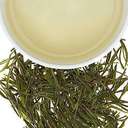
I have read about Anji Baicha for years now, and this is the first time I've ever tried it. I've been very curious about it, especially since I've read that it's among the teas highest in L-theanine, but is prepared rather differently from Gyokuro, the tea I've tried that is also highest in theanine. It didn't quite ...
Read Full Review
2014 Pre-Qingming An Ji Bai Cha First Day Harvest from Life in Teacup
Style: Anji Bai Cha – Region: Zhejiang, ChinaNov. 14th, 2014
(Update) The previous review I did may not have been completely fair to this tea. I brewed it slightly different this time, using a little more leaf, a little less water, and just under 3 minutes for the steep. It's a great tea actually! Very light in color, aromatic, velvety smooth, and clean/pure in flavor. It's kind...
Read Full Review
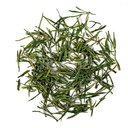
Anji White Tea- Anji Bai Cha from Teasenz
Style: Anji Bai Cha – Region: Anji, Zhejiang, ChinaMay. 11th, 2014
The aroma is very delicate and very fresh, a mellow blend of fruit like sweetness and roasted chestnuts. Of course there is a vegetal presence, it is one of green beans and fresh vegetation, there is also a delicate hint of flowers at the finish. This tea smells wonderful, it has my favorite aspects of a delicate Chine...
Read Full Review
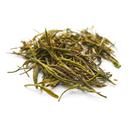
Anji Bai Cha from Whittard of Chelsea
Style: Anji Bai Cha – Region: Anji, Zhejiang, ChinaDec. 3rd, 2013
What a delightful and relaxing tea.
Read Full Review↑Top Reviewers
| Rank | User | # | % |
| 1 |  Alex Zorach Alex Zorach | 1 | 7 |
| 2 |  Billy Graham Billy Graham | 1 | 7 |
| 3 |  Amanda Amanda | 1 | 7 |
| 4 |  Kmidst Kmidst | 1 | 7 |
Review 2 teas to get on this list!
Advertisement
↑Most-Rated Anji Bai Cha
Anji Bai Cha
| Brand: | Whittard of Chelsea |
| Style: | Anji Bai Cha |
| Region: | Anji, Zhejiang, China |
| Caffeine: | Caffeinated |
| Leaf: | Loose |
Anji Baicha
| Brand: | Harney and Sons |
| Style: | Anji Bai Cha |
| Region: | Zhejiang, China |
| Caffeine: | Caffeinated |
| Leaf: | Loose |
2014 Pre-Qingming An Ji Bai Cha First Day Harvest
| Brand: | Life in Teacup |
| Style: | Anji Bai Cha |
| Region: | Zhejiang, China |
| Caffeine: | Caffeinated |
| Leaf: | Loose |
Anji White Tea- Anji Bai Cha
| Brand: | Teasenz |
| Style: | Anji Bai Cha |
| Region: | Anji, Zhejiang, China |
| Caffeine: | Caffeinated |
| Leaf: | Loose |


