




Jasmine Tea
Wikipedia: Jasmine_tea | Teaviews: jasmine-teaLast Updated: May. 4, 2018
↑About Jasmine Tea
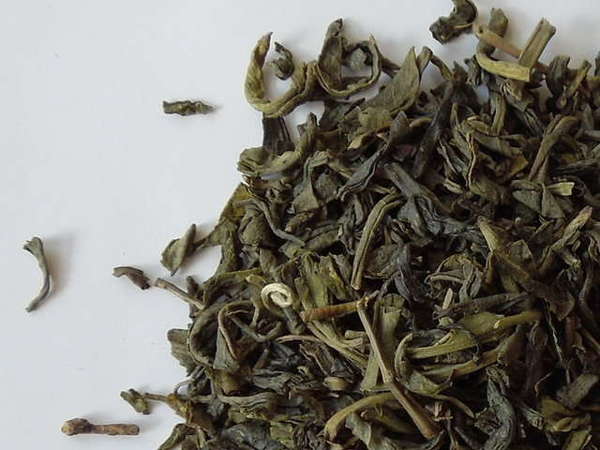 Jasmine tea usually does not contain jasmine flowers; after scenting, the flowers are removed. The appearance here, looking just like a green tea, is typical.
Jasmine tea has a floral aroma that is sometimes described as perfume-like.
Although it is usually associated with Chinese tea culture, jasmine tea is one of the most well-known of the traditional scented teas, and is popular and widely-available in Western countries as well, and is one of several teas commonly served in Chinese restaurants.
Regions of production
An overwhelming majority of jasmine tea is produced in China, where it originated, with small amounts made in Taiwan. The largest producer is Fujian province, but some jasmine tea is made in at least 9 different provinces.Other countries, including India and Boliiva, have produced Jasmine tea but only in limited batches that are not regularly available.
Traditionally-scented jasmine tea
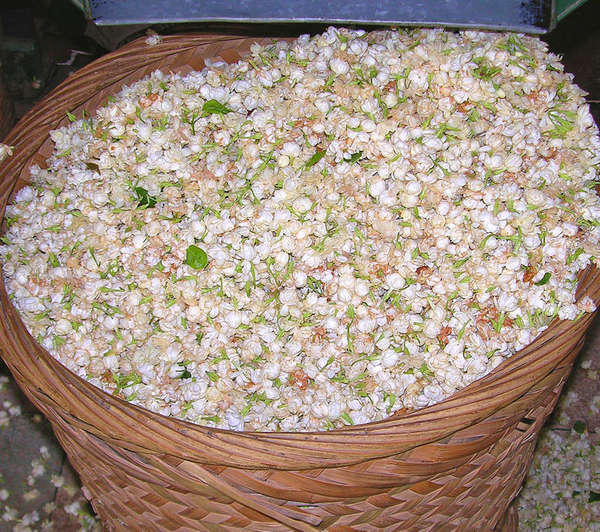 Jasmine blossoms combined with tea leaves in a basket; the blossoms will be separated, usually blown away with a fan as they are lighter than the tea leaves, before the tea is finished. Public domain photo by Daqve Dahl.
The number of scentings differs greatly from tea to tea; because this process is time-consuming and labor intensive, it greatly adds to the cost of the tea. Some high grades of jasmine use as many as 7 or more scentings in their production. In contrast, some tea companies just add an oil or extract to the tea leaves. If this oil is naturally produced (or even organic), the resulting jasmine tea will be considered all natural (or organic) by western standards, but such teas have been produced by a shortcut, from the perspective of traditional processing methods.
Rather than listing jasmine teas under the headings of flavored green, black, etc. teas, RateTea lists all jasmine teas under its own category or sub-categories because they tend to have much more in common with each other aroma-wise than they do with their base teas.
Health benefits and effects specific to jasmine tea
Some studies have examined the health effects of jasmine tea or chemicals isolated from jasmine tea. However, most of these studies have focused on the catechins, antioxidants originating in the tea plant, and not the jasmine flowers. One study, however, examined the aroma of jasmine tea and found that it had a sedative effect. The odor of jasmine tea was compared to lavender, a scent known to also promote relaxation, and found to have a similar effect. The chemical, (R)-(–)-linalool, originating in the jasmine plant, was found to be responsible for some of these effects. [1]References:
1. Kyoko Kuroda et. al. Sedative effects of the jasmine tea odor and (R)-(−)-linalool, one of its major odor components, on autonomic nerve activity and mood states, European Journal of Applied Physiology, .Vol. 95, No. 2-3 (2005).
Further Reading:
Traditional processing of Jasmine Green Tea - Life in Teacup, Nov. 8, 2010.
↑Recent Jasmine Reviews — RSS 


Jasmine Tea from Fujian Tea Import & Export Co, Ltd.
Style: Jasmine Tea – Region: Fujian, ChinaSep. 15th, 2023
I have been seeing this tea around for years, its mustard-colored tins are commonly available in Chinese food shops. My most recent container of it seemed fairly dry and grassy, with less jasmine flavor than it had in the past. Or perhaps my tastebuds may have changed a bit over time. As a budget priced jasmine tea, it...
Read Full Review
A very fragrant tea and consists of tea leaves and a fair amount of buds. The jasmine aroma balances well with the green tea base. The tea soup has a nice creamy texture. The value is decent, there are cheaper jasmine teas out there, but not at such quality.
Read Full Review
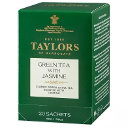
Green Tea with Jasmine Tea Bags from Taylors of Harrogate
Style: Jasmine Pearls – Region: ChinaJan. 9th, 2021
This is remarkable for a bagged tea. I tend to expect a mediocre tea in certain kinds of bagged tea. As a general rule, I think the delicacy flavors of jasmine green tea is a challenge to get right if it isn’t loose leaf or tea pearls, but this is an impressive cup. I managed to get two cups out of it. while the seco...
Read Full Review
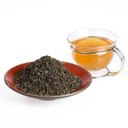
China Wuyuan Jasmine Organic from TeaGschwendner
Style: Jasmine Tea – Region: Wuyuan, Jiangxi, ChinaDec. 25th, 2020
Half-litre pot at home, made from a sample included in the tea company's Advent Tea Calendar (2020) and consisting of leaves of green tea. Pours clear straw (against white china) with no sediment. Clear aroma of green tea, with very mild hints of fruit. Delicate, yet distinct flavour of green tea, with notes of jasmine...
Read Full Review
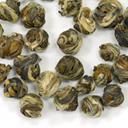
Jasmine Phoenix Pearls (Jasmine #12) from Adagio Teas
Style: Jasmine Pearls – Region: Fujian, ChinaApr. 19th, 2020
This tea has a beautiful jasmine smell and taste. You have to really love jasmine to like this tea; as the other reviewer mentioned, the jasmine aroma and taste is very overpowering, even with minimal steep time. I really enjoy this tea. It reminds me a great deal of Republic of Tea’s Twilight Rose, which is a chamom...
Read Full ReviewRead More Reviews of Jasmine (131) ...
↑Top Reviewers
| Rank | User | # | % |
| 1 |  Alex Zorach Alex Zorach | 32 | 20 |
| 2 |  spaflam spaflam | 12 | 8 |
| 3 |  Tchuggin' Okie Tchuggin' Okie | 8 | 5 |
| 4 |  Brytta Sóþword Brytta Sóþword | 6 | 4 |
| 5 |  Kelsey Kelsey | 6 | 4 |
Review 7 teas to get on this list!
Advertisement
↑Most-Rated Jasmine
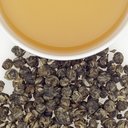
Dragon Pearl Jasmine
| Brand: | Harney and Sons |
| Style: | Jasmine Pearls |
| Region: | Fujian, China |
| Caffeine: | Caffeinated |
| Leaf: | Loose |
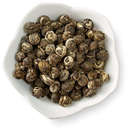
Jasmine Dragon Phoenix Pearls Green Tea
| Brand: | Teavana |
| Style: | Jasmine Pearls |
| Region: | ????? |
| Caffeine: | Caffeinated |
| Leaf: | Loose |
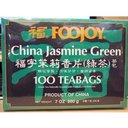
China Jasmine Green Tea
| Brand: | Foojoy |
| Style: | Jasmine Tea |
| Region: | China |
| Caffeine: | Caffeinated |
| Leaf: | Teabag |
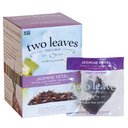
Jasmine Petal
| Brand: | Two Leaves and a Bud |
| Style: | Jasmine Tea |
| Region: | China |
| Caffeine: | Caffeinated |
| Leaf: | Sachet |
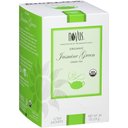
Organic Jasmine Green Tea
| Brand: | Novus Tea |
| Style: | Jasmine Tea |
| Region: | Hunan, China |
| Caffeine: | Caffeinated |
| Leaf: | Sachet |
↑Top-Rated Jasmine
Jasmine Petal
| Brand: | Two Leaves and a Bud |
| Style: | Jasmine Tea |
| Region: | China |
| Caffeine: | Caffeinated |
| Leaf: | Sachet |
Organic Jasmine Green Tea
| Brand: | Novus Tea |
| Style: | Jasmine Tea |
| Region: | Hunan, China |
| Caffeine: | Caffeinated |
| Leaf: | Sachet |
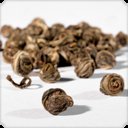
Jasmine Pearls
| Brand: | Numi Organic Tea |
| Style: | Jasmine Pearls |
| Region: | Fujian, China |
| Caffeine: | Caffeinated |
| Leaf: | Loose |
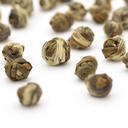
Superfine Jasmine Downy Dragon Pearls Green Tea
| Brand: | TeaVivre |
| Style: | Jasmine Pearls |
| Region: | Fuding, Fujian, China |
| Caffeine: | Caffeinated |
| Leaf: | Loose |
Jasmine Dragon Phoenix Pearls Green Tea
| Brand: | Teavana |
| Style: | Jasmine Pearls |
| Region: | ????? |
| Caffeine: | Caffeinated |
| Leaf: | Loose |


